
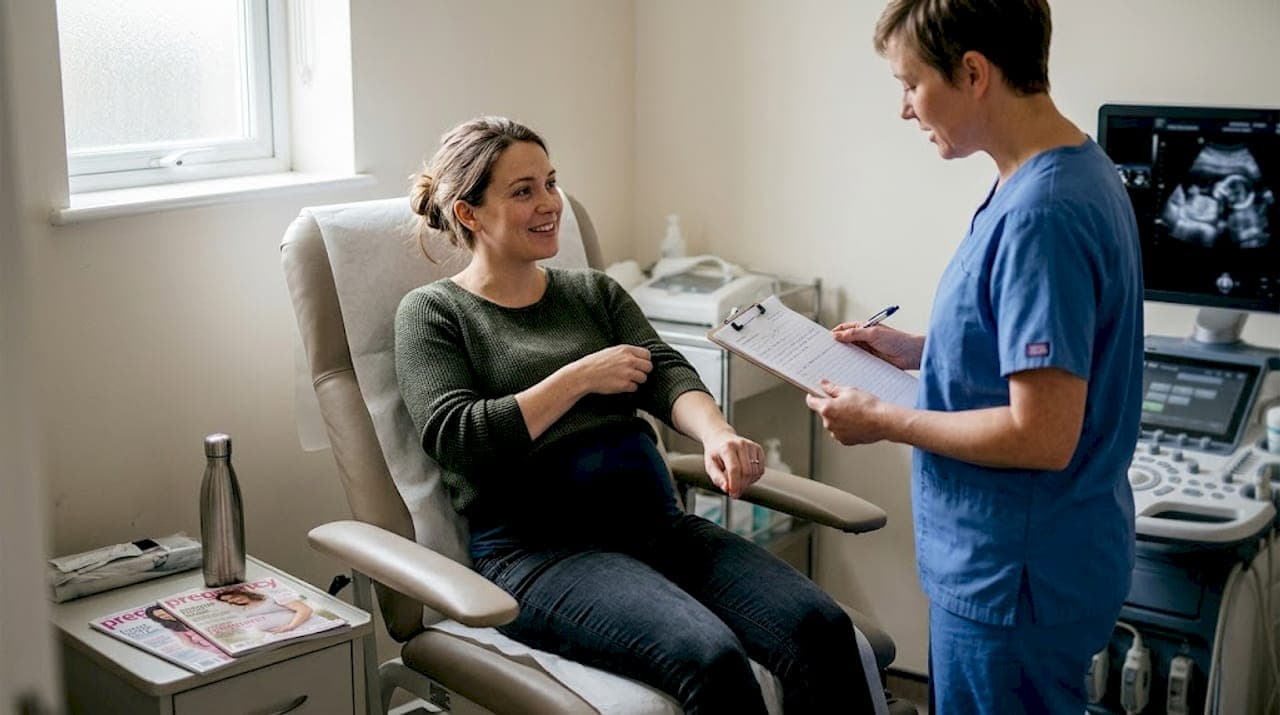
There is something extraordinary about seeing your baby's face for the first time before they are even born. That moment, a grainy black-and-white image or a strikingly detailed 3D portrait, can shift something deep inside you. Prenatal imaging increases parental bonding and attachment in measurable ways, and modern technology has made these sessions far more vivid and emotionally powerful than ever before. Whether you are weeks away from your due date or just starting to explore your options, this guide walks you through how to prepare, what to expect, which technology to choose, and how to preserve every unforgettable moment.
Table of Contents
- How to prepare for the perfect ultrasound session
- Top 5 meaningful ultrasound session moments
- Choosing between 2D, 3D, and 4D ultrasounds
- Comparing top ways to preserve and share ultrasound memories
- Why the value of ultrasound moments goes beyond the picture
- Your next memorable ultrasound session with BabyView3D
- Frequently asked questions
Key Takeaways
| Point | Details |
|---|---|
| Preparation matters | Taking simple steps before your scan maximizes the chance of incredible keepsake images. |
| Technology choices | Understanding the differences between 2D, 3D, and 4D ultrasounds helps you plan for the experience you want. |
| Emotional highlights | Capturing baby’s face and movement makes ultrasound sessions truly memorable. |
| Lasting memories | Exploring creative ways to share and preserve ultrasound moments makes them a lifelong treasure. |
How to prepare for the perfect ultrasound session
Preparation is everything. Walking into your session without a plan often means walking out with results that feel incomplete. The good news is that a few simple steps can dramatically improve the quality of your experience.
Timing matters more than most parents realize. The sweet spot for 3D and 4D sessions is typically between 26 and 32 weeks of pregnancy. Before 26 weeks, baby still has very little fat under the skin, which makes features look less defined. After 34 weeks, the baby is so large that positioning in the womb limits clear views.
Here are the most effective ways to prepare:
- Hydrate for at least 3 to 4 days before your session. Good hydration improves the clarity of amniotic fluid, which acts like a lens for the ultrasound beam. More fluid means sharper images.
- Eat a light snack about 30 minutes before your appointment. A small boost of sugar can encourage baby movement and cooperation, which is especially helpful for 4D sessions.
- Wear comfortable, two-piece clothing so the technician can access your belly easily without discomfort.
- Ask the sonographer specifically for facial close-ups, hand shots, and foot profiles. These are the images parents treasure most, but technicians won't always prioritize them unless you ask.
- Plan your guest list in advance. Bringing loved ones can make the experience feel celebratory, but a packed room can create pressure and distraction.
Pro Tip: Review the pre-scan tips before your appointment. Small details, like wearing a specific type of top or arriving early to relax, can make a noticeable difference in how smoothly everything flows.
One thing worth understanding: elective 3D/4D sessions are designed around emotional bonding rather than medical diagnostics. Success depends heavily on baby's cooperation and the skill of the sonographer. Setting realistic expectations helps you enjoy the experience rather than feel disappointed if the baby decides to stay camera-shy.
Top 5 meaningful ultrasound session moments
Once you are prepared, knowing what to look forward to makes the session even richer. These are the moments that parents describe years later with genuine emotion.
-
Seeing the baby's face in 3D for the first time. Nothing compares to recognizing features that look unmistakably like you or your partner. A nose, a chin, a little pout. It becomes real in a way that a positive pregnancy test simply cannot match.
-
Watching real-time movement in 4D. Yawns, stretches, thumb-sucking, little kicks. Seeing your baby actually move in real time is startling and wonderful. Parents often describe it as the moment the pregnancy truly became a person.
-
Hearing the heartbeat together. Sound adds an emotional dimension that images alone cannot. That rhythmic pulse, fast and steady, is profoundly reassuring and moving for almost every parent.
-
Sharing the moment with siblings or grandparents. Watching an older child lean in to see their future sibling, or seeing a grandparent's eyes fill with tears, creates a layered memory that belongs to the whole family. These reactions often become the most-told stories later on.
-
Catching a smile or a yawn mid-scan. These fleeting expressions are unpredictable and completely magical. When the baby yawns at exactly the right moment and the sonographer captures it, that image tends to go straight into a frame.
"Looking at the ultrasound images with a trained expert not only answered our questions but genuinely made us feel closer to our baby before she was even born." This kind of experience is exactly what prenatal imaging research documents: viewing images in a supported setting relieves anxiety and deepens connection.
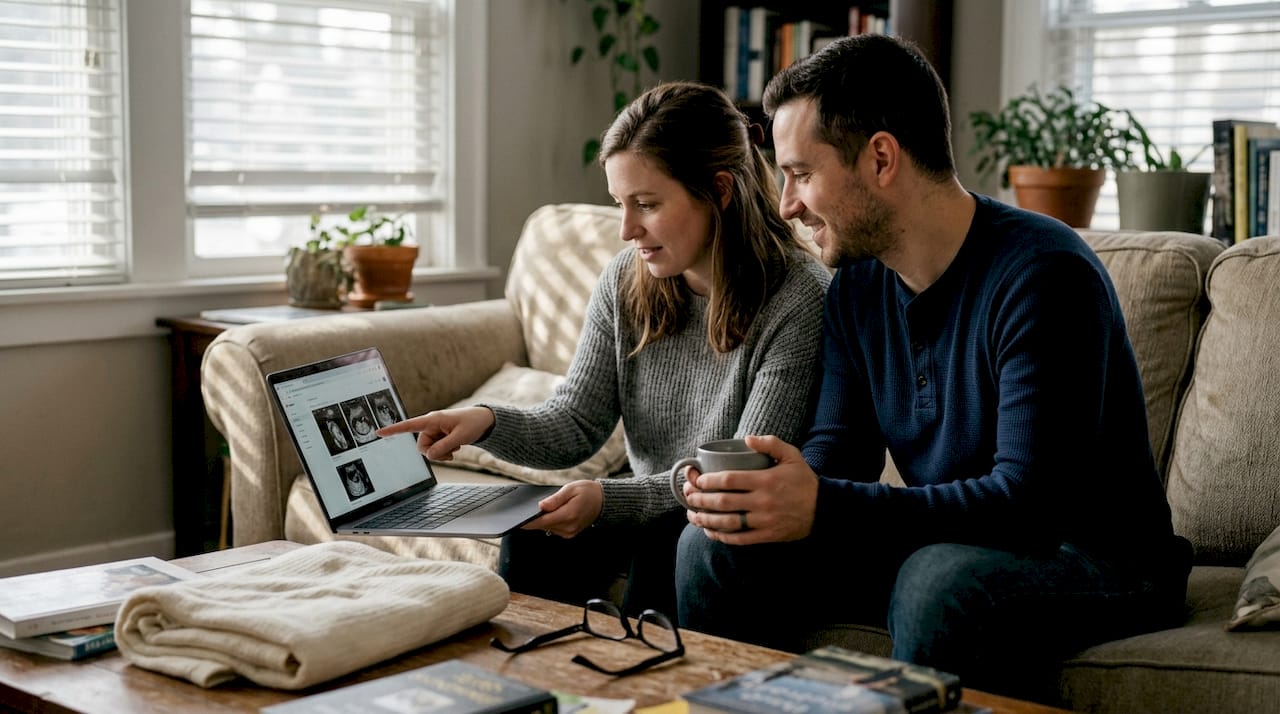
Browsing a real ultrasound gallery before your session can help you visualize what to expect and give you ideas for the specific shots you most want to capture.
Choosing between 2D, 3D, and 4D ultrasounds
Not all ultrasounds are created equal, and understanding the differences helps you choose what fits your goals.
| Type | What you see | Best for | Limitations |
|---|---|---|---|
| 2D | Flat, black-and-white images | Medical monitoring, anatomy scans | Less emotional impact |
| 3D | Static, lifelike facial images | Detailed facial features, keepsakes | No movement captured |
| 4D | Real-time video with movement | Watching baby move and behave | Requires more session time |
Here is how to think about each option:
- 2D ultrasounds are the medical standard. They are what your OB uses to check growth, fluid levels, and anatomy. They are essential but not designed for emotional impact or keepsakes.
- 3D ultrasounds produce still images with striking detail. If you want a portrait-style image that shows your baby's facial features clearly, 3D is your best bet.
- 4D ultrasounds add the dimension of time, capturing motion. Watching your baby yawn, wave, or open and close their mouth in real time is simply impossible to replicate with a still image.
Safety is a valid concern and worth addressing honestly. Medical guidelines from ACOG, AIUM, and the FDA discourage elective non-diagnostic sessions due to unnecessary exposure, but note they are safe when performed at low intensity by trained professionals following ALARA principles. ALARA stands for "as low as reasonably achievable," meaning skilled sonographers keep both intensity and duration to the minimum needed for clear images.
Choosing a qualified, experienced provider is the single most important safety decision you can make. Explore your ultrasound service options carefully and ask about sonographer credentials and session protocols before booking.
Comparing top ways to preserve and share ultrasound memories
Capturing the moment is only half the work. How you preserve and share those images determines whether they become a fleeting digital file or a lasting family artifact.
| Preservation method | Best for | Cost range | Longevity |
|---|---|---|---|
| Digital download | Easy sharing, archiving | Low | Permanent if backed up |
| Printed photo album | Display, gifting | Moderate | 20 to 50 years |
| Custom framed print | Wall art, nursery décor | Moderate to high | Decades |
| Keepsake jewelry | Wearable memory | High | Lifetime |
| Announcement cards | Gender reveals, birth announcements | Low to moderate | Sentimental |
Here are practical steps to protect and enjoy your images:
- Back up digital files immediately to at least two locations: a cloud service and an external drive. File loss is more common than people expect, especially with phone storage.
- Request high-resolution files from your provider during the session. Low-resolution images look fine on a phone screen but print poorly.
- Print at least one physical copy within the first few weeks. Parents who wait often never get around to it, and the emotional window where it feels urgent fades fast.
- Use images creatively for announcements. A 3D ultrasound image on a gender reveal card or birth announcement feels personal and unexpected in a way that stock designs never do.
Pro Tip: Visit the ultrasound keepsake store to see how high-resolution images can be turned into meaningful physical mementos you will want to keep for decades.
It is worth noting that while large-scale satisfaction data for elective 3D/4D ultrasounds in the US is limited, parents who invest in quality sessions consistently report that the experience exceeded their expectations. That pattern holds across family sizes, trimesters, and technology types.
Why the value of ultrasound moments goes beyond the picture
Here is what most articles about prenatal ultrasounds miss entirely: the photograph is almost never what parents actually remember. What they remember is the room. The sound of the heartbeat. The look on their partner's face. The way their toddler pointed at the screen and said "baby."
We have worked with families for over 15 years, and the feedback we hear most often is not about image quality. It is about feeling. The session created a shared experience that the whole family carries forward. Elective 3D/4D sessions are not medically necessary, and we say that honestly. But the emotional value of making a baby real to an entire family before birth is something no checklist can quantify.
Technology enhances that, but it does not create it. What creates it is intention. Showing up prepared, bringing the right people, and choosing a provider who understands that you are not just getting a scan. You are making a memory. We believe that distinction matters, and it shapes how we approach every session at BabyView3D.
Your next memorable ultrasound session with BabyView3D
You have done the research. You know what to prepare, what to look for, and how to preserve what you capture. Now it is time to turn that knowledge into an experience your family will talk about for years.
At BabyView3D, we combine over 15 years of experience with the most advanced HD Live 3D and 4D technology available. Our certified sonographers know how to work with even the most camera-shy babies to get the shots that matter. Ready to see your little one in stunning detail? See available ultrasound sessions and find a location near you, or explore our session gallery to see what is possible before you book.
Frequently asked questions
When is the best time during pregnancy for a detailed 3D or 4D ultrasound?
The best window is typically between 26 and 32 weeks, when facial fat has developed enough for clear features and amniotic fluid still provides good imaging space. As elective session experts note, both baby cooperation and sonographer skill shape the final result.
Are elective 3D/4D ultrasounds safe?
Yes, they are generally safe when performed by trained professionals using low-intensity equipment and following ALARA principles. Per medical guidelines, they should complement rather than replace your standard medical scans.
What are the most memorable moments to capture in an ultrasound?
The most treasured captures tend to be the baby's face in profile, spontaneous yawns or stretches in 4D, and hearing the heartbeat live. Research on prenatal bonding confirms that these shared sensory moments significantly strengthen the parent-child connection before birth.
Can I bring family members or siblings to my ultrasound session?
Most elective ultrasound studios warmly welcome siblings and grandparents. Always confirm the studio's guest policy when booking, since space and session flow can vary by location.
What if my baby is not cooperating during the session?
Experienced sonographers have techniques to encourage repositioning, and reputable providers may offer a follow-up session if images are unclear. Baby cooperation is one of the biggest variables in any elective session, which is why choosing a skilled team matters so much.