

Picking a prenatal ultrasound package should feel exciting. Instead, many expectant parents find themselves staring at a long list of options, wondering what "HD Live" actually means, whether a $99 session is too cheap to trust, or how to know if a studio is truly qualified. The decision matters because this is not just a scan — it is often the first time you will see your baby's face, count tiny fingers, and feel that wave of connection that no Instagram post can fully capture. This guide walks you through what to look for, what real packages include, how costs break down, and how to compare your options clearly and confidently.
Table of Contents
- What to consider before booking an ultrasound package
- Sample 3D/4D ultrasound package features
- Ultrasound package cost breakdown
- How leading ultrasound packages compare
- Rethinking the keepsake ultrasound: What most parents overlook
- Discover memorable ultrasound experiences with BabyView3D
- Frequently asked questions
Key Takeaways
| Point | Details |
|---|---|
| Safety first | Choose certified providers and limit session counts for best peace of mind. |
| Features matter | Packages vary in imaging tech, session time, included media, and special add-ons. |
| Cost transparency | Expect to pay $100-$500, with more extras and luxury touches raising the price. |
| Shop with intent | Focus on both the bonding experience and responsible provider practices. |
What to consider before booking an ultrasound package
Every great ultrasound experience starts with a few honest questions: What do you actually want from this session? A heartwarming photo? A video keepsake? A room full of cheering family members? Answering those questions first will help you filter through the marketing language and zero in on the package that fits your life.
Safety comes first. The American College of Obstetricians and Gynecologists notes that ultrasonography is not associated with risk to the fetus or mother when used prudently for medical benefit, but cautions that elective keepsake ultrasounds should be approached carefully since they are non-medical procedures. That does not mean you should skip a bonding session — it simply means you should choose a studio that respects those guidelines, keeps sessions to a reasonable length, and does not push you to repeat visits unnecessarily.
Emotional value is real and worth planning for. Studies consistently show that seeing a detailed image of a developing baby increases parental attachment well before birth. Parents who hold a printed photo or watch a video of their baby's movements in the womb report feeling a stronger sense of readiness for parenthood. That emotional payoff is one of the strongest reasons expectant families invest in a quality session.
Here are the key factors to weigh when comparing packages:
- Sonographer credentials: Look for registered diagnostic medical sonographers (RDMS) or similarly certified professionals, not just staff trained on the machine.
- Studio reputation: Read reviews on Google, Yelp, and parenting forums. Look for consistent mentions of warmth, patience, and technical quality.
- Session length: Longer is not always better for safety reasons, but you need enough time for the baby to shift into a viewable position.
- What media is included: USB drives, printed photos, and video files vary widely by package.
- Guest policies: Some studios allow large groups; others cap attendance.
- Insurance: These sessions are elective and almost universally not covered by insurance, so budget accordingly.
Pro Tip: Ask any studio whether they offer 3D and 4D ultrasound services performed exclusively by certified sonographers. A studio that proudly lists staff credentials upfront is one that takes its responsibility seriously.
One more practical note: read the cancellation and rescheduling policies before you pay. Life with a pregnancy is unpredictable, and a flexible studio makes the whole experience less stressful. You can also find valuable ultrasound experience tips that help you prepare for your session, from what to eat beforehand to the best body positions for getting a clear image.
Sample 3D/4D ultrasound package features
Once you know what matters, here is what you can actually expect from real ultrasound packages currently available across the United States.
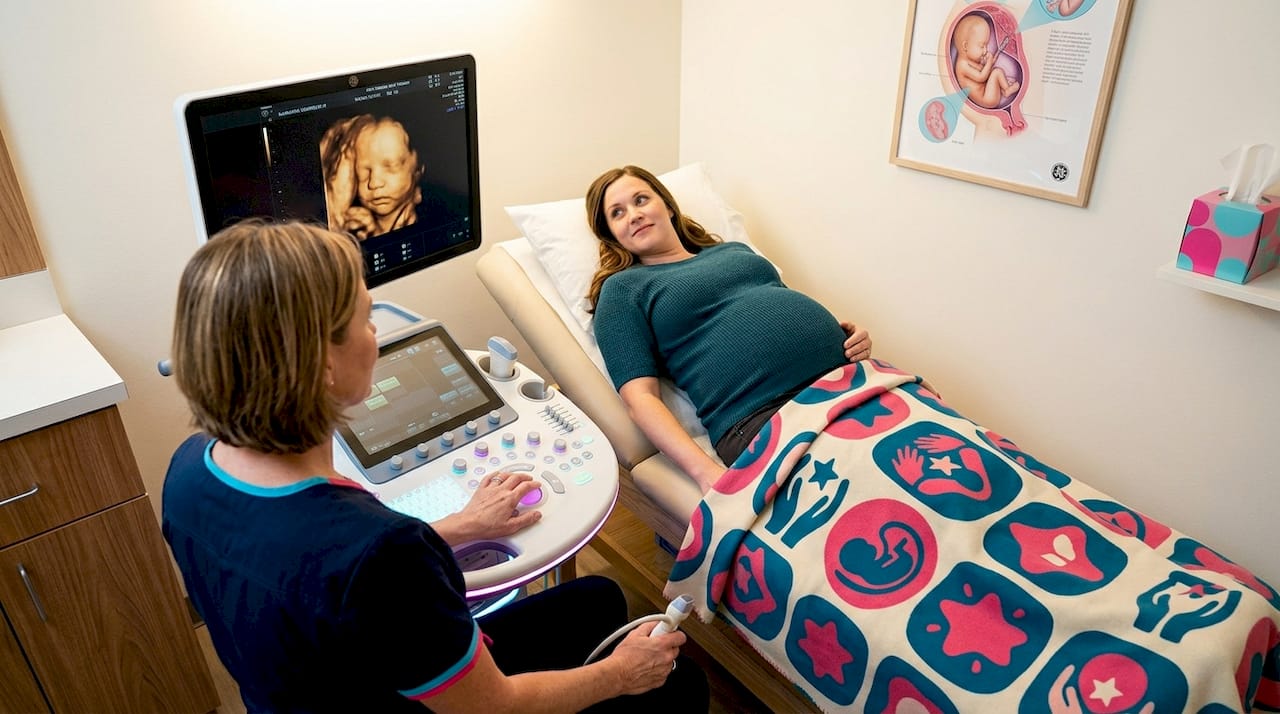
Most studios structure their offerings in tiers, starting with a basic "peek" package and scaling up to full-experience bundles. A real-world example helps illustrate the pattern. The Pelvic Laser Institute in Florida offers a 3D/4D ultrasound package called "Playtime: Meet Your Baby" at $99. That session runs about 15 minutes, includes an HD imaging experience, a USB drive loaded with photos, video footage, and a recorded heartbeat, and allows up to four guests in the room. Add-ons include a Heartbeat Animal for $40 and a prenatal massage for $80. The studio recommends booking between 28 and 32 weeks for the sharpest images, and they offer a free return visit if the baby is "shy" during the session.
That structure is fairly representative of what the broader market looks like. Common elements across packages include:
- Standard session length: 15 to 30 minutes for most entry-level packages; 45 to 60 minutes for premium bundles
- Imaging technology: HD Live, 3D still images, 4D real-time video — often all included in mid-tier and above
- Media delivery: USB drives or digital downloads are now standard; some studios still offer printed photos as a keepsake
- Guest policies: Entry-level packages typically allow 2 to 4 guests; premium packages may allow the whole family
- Heartbeat animals: Plush toys that record and replay the baby's heartbeat, wildly popular with siblings and grandparents
- Return visit guarantees: High-quality studios offer a complimentary return if the baby does not cooperate during the first session
Timing matters more than most parents realize. Between 26 and 32 weeks is the sweet spot for 3D/4D imaging. Before 26 weeks, there is not enough subcutaneous fat for facial detail to appear clearly. After 34 weeks, the baby may be too large and too positioned against the uterine wall for a full facial view. Scheduling at the right gestational age is one of the simplest ways to guarantee a stunning image.
Pro Tip: When browsing detailed package descriptions, pay close attention to whether the listed price includes digital media or whether files cost extra. Some studios advertise a low base price but charge separately for the USB, the video, and the printed photos, quickly doubling the total.
Looking at ultrasound package insights from experienced parents can also reveal which add-ons are genuinely meaningful keepsakes versus impulse purchases that end up in a drawer. A heartbeat recording, for example, tends to be a treasured item for years. An oversized poster print, less so.
Ultrasound package cost breakdown
Now let's break down what you can expect to pay — and what determines those costs.
Elective prenatal ultrasound pricing varies widely depending on location, technology, session length, and provider type. As a general benchmark, single sessions typically cost between $100 and $300, while bundles that combine multiple visits, extra media, and add-ons often range from $250 to $500. Independent studios generally charge significantly less than hospital-affiliated imaging centers, which can run from $200 to $550, while hospital-based sessions can reach $1,400 or more. For parents paying out of pocket, which is essentially everyone seeking an elective session, independent studios in the $100 to $400 range offer the best value.
Here is a simplified cost comparison to help you visualize the tiers:
| Package tier | Typical price range | What's usually included |
|---|---|---|
| Entry-level | $75 to $125 | 15-min session, USB, basic 3D images |
| Mid-range | $150 to $250 | 20-30 min, HD images, video, 4D clips |
| Premium bundle | $275 to $450 | 45-min session, all media, guests, add-ons |
| Hospital/clinic | $200 to $1,400+ | Medical imaging, limited keepsake focus |
Several factors drive costs up or bring them down:
- Geographic location: Studios in major metro areas like New York or Los Angeles charge more than those in mid-size cities.
- Technology: 8K or HD Live imaging equipment is a premium investment that gets passed on in pricing.
- Staff credentials: Studios staffed by board-certified sonographers tend to charge more, and that premium is worth it.
- Studio setting: A dedicated boutique studio with a comfortable viewing lounge costs more to operate than a basic clinic room.
- Add-ons: Heartbeat animals, massage sessions, and extra guests can add $40 to $150 to a base package.
To save money without cutting corners, consider booking mid-week when studios offer discounts, looking for first-time-visit promotions, or choosing a studio that bundles media into the base price. Exploring affordable ultrasound packages that include all media formats upfront is a smarter move than starting with a cheap base price and adding on.
One important reminder: do not make price the deciding factor. A $79 session at a studio with no certifiable staff credentials is not a bargain. It is a risk.
How leading ultrasound packages compare
With prices and options laid out, here is how leading package types compare side by side.
| Feature | Entry-level | Mid-range | Premium |
|---|---|---|---|
| Session length | 15 min | 20-30 min | 45-60 min |
| Imaging type | 3D still | 3D/4D HD | 8K/HD Live + 4D |
| Media included | USB with photos | USB with photos + video | Full digital + prints |
| Guest allowance | 2-4 | 4-6 | Unlimited or large group |
| Add-ons available | Limited | Moderate | Full menu |
| Return visit policy | Sometimes | Usually | Guaranteed |
| Price range | $75-$125 | $150-$250 | $275-$450+ |
Best for value: A mid-range package hits the sweet spot for most families. You get enough session time for the baby to cooperate, clear HD imaging, and a full media package without paying for extras you may not use.
Best for luxury experience: Premium packages that include 8K imaging, a large guest room, heartbeat keepsakes, and guaranteed returns are ideal for families who want to turn the scan into a full celebration.
Best for family inclusion: Look specifically for studios with generous guest policies. Some studios design their viewing rooms specifically to accommodate grandparents, partners, and young siblings — making the session a multigenerational event.
Steps to make your final decision with confidence:
- Confirm that the studio employs certified sonographers and ask to see their credentials.
- Read at least 10 recent reviews, focusing on image quality and staff attentiveness.
- Compare total costs including all media and any add-ons you actually want.
- Ask about rescheduling and shy-baby policies before booking.
- Choose the gestational window between 26 and 32 weeks for the best images.
As one important clinical reminder, the ACOG guidelines make clear that elective bonding sessions are not diagnostic, not covered by insurance, and should be kept appropriately brief. Leading sonographers and medical associations agree: trained professionals and limited, purposeful exposure are non-negotiable standards.
"Elective ultrasound sessions can be a beautiful part of the prenatal journey when performed responsibly by certified sonographers who prioritize both safety and the family's emotional experience."
The best studios understand this balance. They invest in ultrasound image galleries that show real results from real families, letting you judge quality before you book.
Rethinking the keepsake ultrasound: What most parents overlook
Here is something the comparison charts do not tell you: the most important variable in your session is not the technology. It is the person operating it.
We have seen parents book the highest-priced package at a studio with cutting-edge 8K equipment and walk away with blurry images and a rushed experience because the operator lacked the skill to position the transducer correctly. Conversely, we have seen families in a modest mid-range session leave in tears — happy tears — because a skilled, patient sonographer spent real time coaxing a shy baby into a perfect profile view.
The instinct to chase the best price or the longest add-on list is understandable. But the smartest parents we work with prioritize staff credentials and studio culture above everything else. A certified sonographer who genuinely loves what they do will deliver a better experience than any piece of hardware alone.
Another oversight? Session frequency. Some parents, driven by the emotional high of seeing their baby, want to book multiple elective sessions. While a single well-timed session is generally considered safe when conducted prudently, stacking multiple non-medical sessions in a short window is not something any responsible provider should encourage. Choose one great session at the right gestational age rather than three mediocre ones.
Finally, find qualified ultrasound providers near you before you lock in a date. Location convenience matters, but it should never outweigh provider quality.
Discover memorable ultrasound experiences with BabyView3D
If you want a session that checks every box — certified sonographers, stunning HD Live and 8K imaging, warm studio environments, and thoughtfully curated packages — BabyView3D is built for exactly that.
With over 15 years of experience and locations across the United States, BabyView3D combines advanced technology with a genuine passion for helping families meet their babies before birth. You can see ultrasound packages that include everything from first-look sessions to full family celebration bundles, view the photo gallery to see real results from real families, and shop for keepsake add-ons that turn your session into a lasting memory. First-time visitors also enjoy a special introductory offer — reach out today to learn more.
Frequently asked questions
Are keepsake ultrasound sessions safe for me and my baby?
When conducted by trained professionals and kept to a reasonable duration, elective ultrasounds are not known to harm the mother or fetus; the key is choosing a certified studio and avoiding unnecessary repeat sessions.
Are elective ultrasound packages covered by insurance?
No, keepsake and non-diagnostic sessions are not covered by insurance and must be paid fully out of pocket, so it pays to compare packages carefully before booking.
What is the typical cost range for a 3D/4D ultrasound package?
Most single sessions run $100-$300, with bundles reaching $250 to $500; independent studios are generally much more affordable than hospital-affiliated imaging centers.
What should I look for in a high-quality ultrasound studio?
Prioritize studios with board-certified sonographers, strong verified reviews, clear package pricing that includes all media, and a guaranteed return policy if your baby is not cooperating during the session.